Applied Work
Audience insights for children’s media, technology, and culture.
I’m a Research Analyst in Consumer Insights at Paramount, where I study kid, teen, and family audiences and turn developmental science into decisions creators can use.
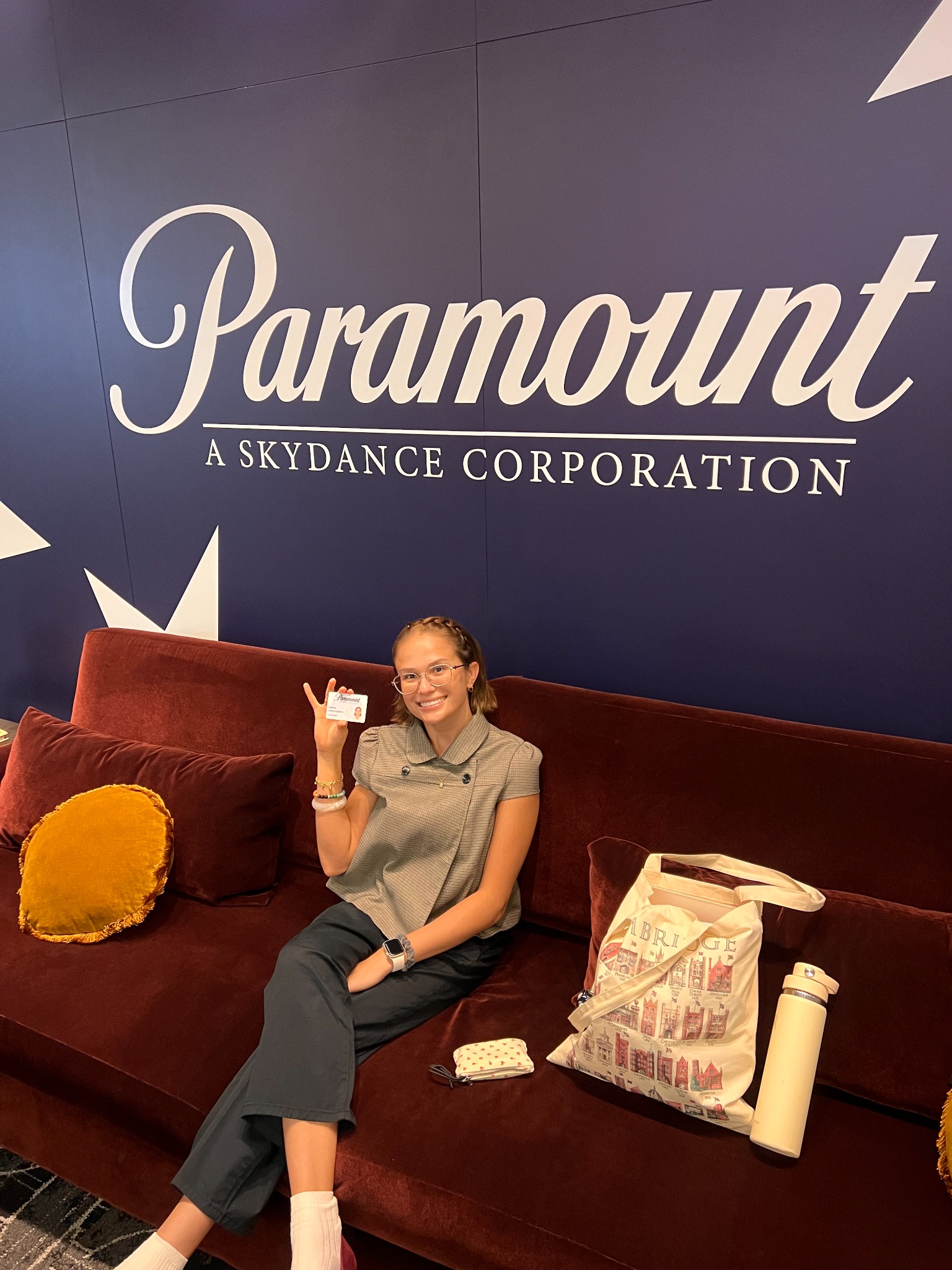
Paramount
Research Analyst, Consumer Insights.
My work spans kids’ content, platforms, and AI initiatives, and audiences from preschoolers through teens, parents, and general audiences.
I’m also a Future Now Media Training alum (2023, 2024, 2025) and a mentee in the Children’s Media Association’s Research in Children’s Media program.
The approach
Start with the kids themselves.
I study how kids and teens actually use media, not how we (adults) assume they do. That means asking developmentally appropriate questions directly to the audience that matters most: children themselves. What does a seven-year-old think a character is telling them about who they can be? How does a thirteen-year-old decide whether to spend the afternoon gaming or streaming? To answer questions like these, I work across kids’ content, platforms, and AI initiatives, and turn what children tell us into strategy that’s thorough, trustworthy, and true to their digital lives.
How I work
Methods that meet kids where they are.
I run surveys, interviews, focus groups, and video-response studies with audiences from preschoolers to teens, plus parents and general audiences. I look at what draws people to a property, how they relate to characters, and how they move through platforms, and how all of that shifts by age, gender, generation, and background.
The work turns into reports, decks, and one-pagers teams can act on.
What I keep seeing
Kids are doing more with media than we assume.
Adults tend to underestimate how actively kids engage with media. Kids aren’t just absorbing messages or moving through a platform; they’re interpreting, testing, debating, and bringing their own lives to what they watch. And they rarely do it alone: their understanding is shaped by friends, online communities, creators, and the wider social worlds they live in.
So understanding kids means looking past any single piece of content and toward the ecosystems where they make meaning. Formats and platforms change fast, but the developmental questions underneath stay steady: Who am I? Where do I belong? How do I relate to others? The strongest content helps kids explore those questions.
Research earns its keep when it works as a translation layer between children’s real lives and the adults designing for them, not when it just catalogs trends or narrows what’s creatively possible. The most enduring IP isn’t built by chasing what’s hot today. It’s built through an ongoing conversation between audiences, researchers, and creators, so that what gets made stays rooted in how kids actually develop.
A few things I believe
Opinions I bring to the work.
- “Screen time” is usually the least interesting question. What kids watch, who they watch with, and what they take away matters more than the minutes.
- Entertainment and development aren’t competing goals. A lot of the most impactful kids’ media works because it’s genuinely entertaining first.
- Representation matters, and so does recognition. It isn’t only about seeing yourself on screen; it’s about feeling understood.
- Kids are more media literate than adults give them credit for. They often spot persuasion, performance, and authenticity faster than we do.
- The most important effects of kids’ media are often the hardest to measure. The stories kids carry, the scripts they rehearse, and the identities they try on can outlast any single lesson.
Let’s work together
From evidence to decisions.
Bring me a question about how young audiences think, feel, and choose, and I’ll turn it into research you can build on.
Discuss a collaborationThe bridge
- 01AskDevelopmentally grounded questions
- 02StudyRigorous, child-centered evidence
- 03TranslateClear and actionable insight
- 04ShapeMore inclusive media experiences
Let’s connect
Research, ideas, and children’s media.
danigc (at) umich (dot) edu
LinkedIn